About
Ali McMillan is an educator and researcher with more than 18 years of combined experience in K–12 and informal education settings. McMillan brings a global perspective to her work in rural Louisiana communities with previous appointments in Nigeria, Spain, and the US, in roles spanning classroom teaching, literacy intervention, and instructional coaching. Currently serving as Assistant Professor of Curriculum and Instruction at the University of Louisiana Monroe, her teaching and research explore how interdisciplinary literacy, nature place-based learning, and stewardship enrich education experiences for youth, enhance educator pedagogy, and strengthen community resilience.
McMillan has led several externally funded projects including a current NOAA Fisheries BWET Meaningful Watershed Education Experience project, The Water Connects Us All. She is the author of “The Learning Landscape: Adolescent Literacy Reimagined through Place-Based Explorations” published by Peter Lang. Her scholarship also appears in The Geography Teacher, and The Middle School Journal. McMillan was recognized as West Feliciana Middle School Teacher of the Year (2017) and served on the Teacher Advisory Council for the National Geographic Society (2019-2021). She is a current Early Career Research Fellow with the National Academies Gulf Research Program (2024). Through her scholarship and practice, McMillan is committed to expanding access to transformative educational experiences that inspire learners and cultivate the next generation of engaged community stewards.
Place
My research explores how learning when connected to local environments and communities knowledge transforms learning experiences.
Literacy
My research examines literacy as an interdisciplinary capacity that supports learners’ agency, critical thinking, and ability to understand and communicate about their world.
Stewardship
My research investigates how education can cultivate responsibility, agency, and action toward the care of natural places and resilient communities

Discover the Framework Behind the Work
The Learning Landscape
Reimagining adolescent literacy through place-based learning, this book invites educators to connect literacy, nature, and community in ways that foster student agency, learning relevance, and civic responsibility.
The Water Connects Us All
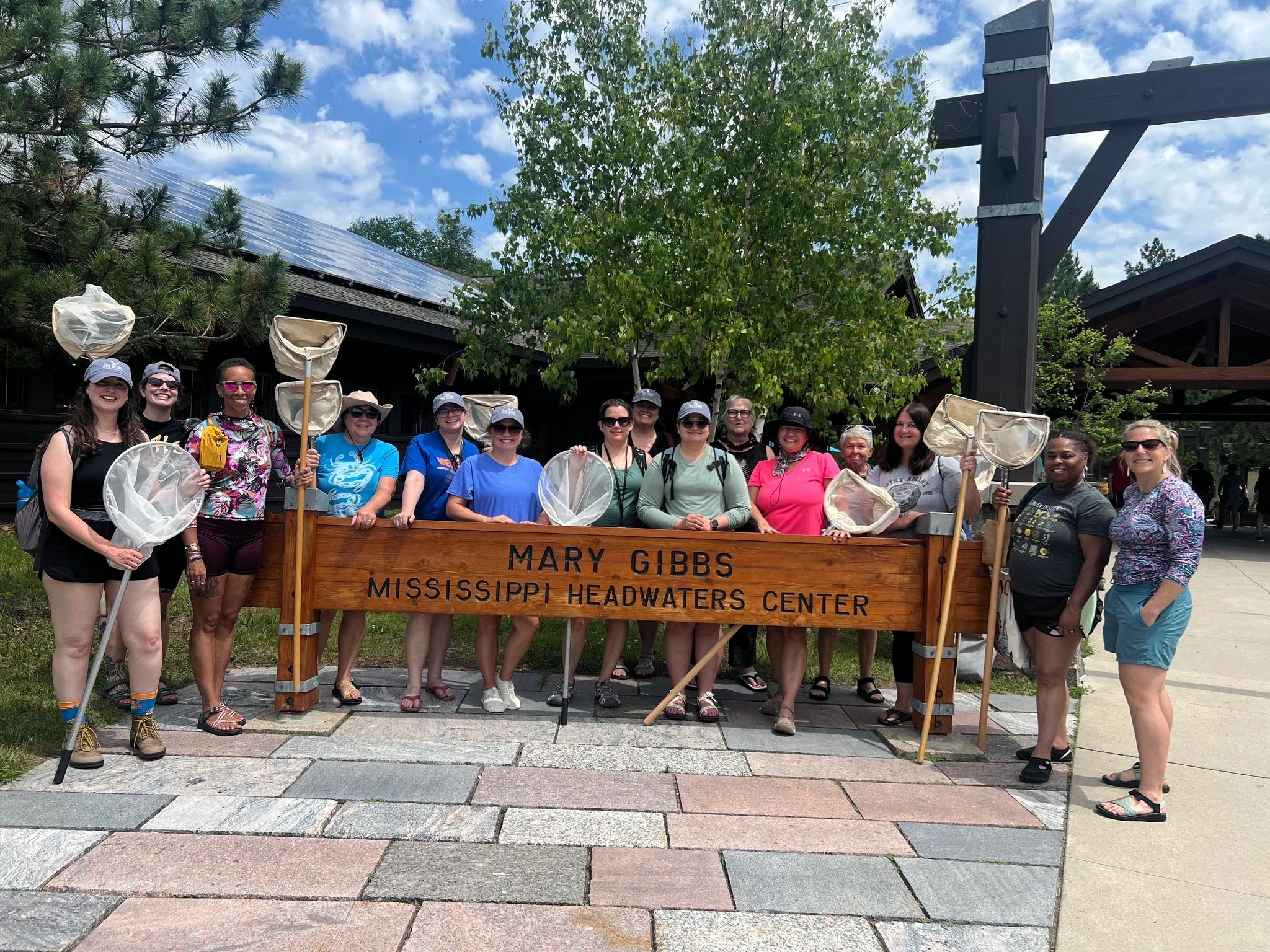
The Water Connects Us All is a two-year NOAA BWET funded project designed for educators to explore the Mississippi River watershed and learn about Louisiana’s local environmental phenomena. Through this program, participating teachers gained valuable hands-on learning experiences and brought them back to their classrooms. Students engaged in place-based, standards-aligned activities on their school campus, with the added opportunity to take on a stewardship project.
June 16-21, 2025
December 5-6, 2025
June 1-3, 2026